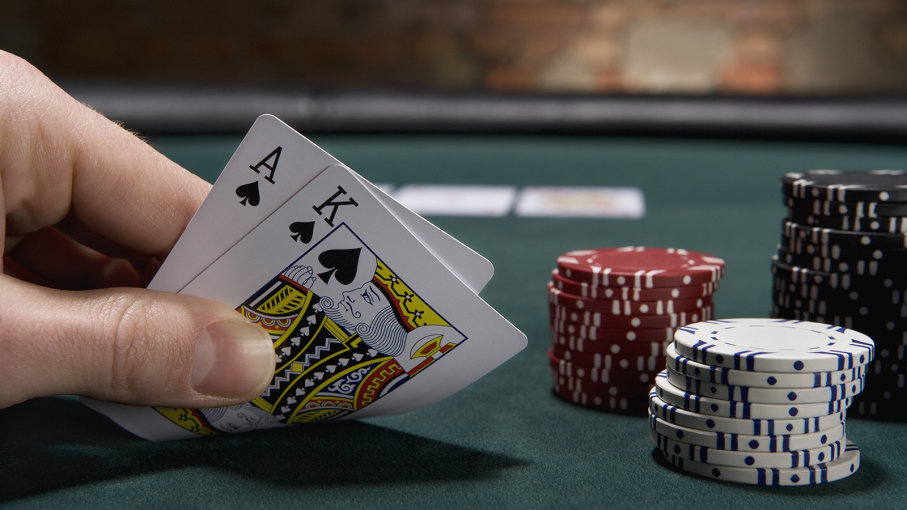
Proposition wagers, usually called prop bets, are the secondary options of sports betting https://liveblackjack.si/betting/. Instead of picking a winner, you place bets on small, particular moments inside a game. Will a Slovenian basketball star exceed his points line? What number of corners will a football match produce? At Live Blackjack Casino, these markets feel like a quiz, a hunch, and a highlight reel combined. If you are ready to move past match-winner odds, props open up a world of innovative, quick bets.
What Does a Prop Bet Actually Mean?
A prop bet represents a wager on something other than the final result. Sportsbooks might ask whether a player scores in the first half, how many saves a goalkeeper makes, or which team wins the coin toss. These side markets focus on one small slice of the action. Since props are more specific than traditional bets, sportsbooks need to set sharper prices, and that also opens the door for sharp bettors to catch mistakes.
The word “prop” comes from “proposition,” which simply means a proposed event or outcome. Some props are stats-based, like passing yards or rebounds. Others are novelty, such as the length of the national anthem at a final. The variety can feel overwhelming at first, but the logic underneath is straightforward: pick an outcome, compare the odds with your own expectation, and bet when the price feels attractive.
Typical Rookie Mistakes to Prevent
The largest mistake newcomers make is handling prop bets like lottery tickets. A parlay of five longshots looks exciting, but the combined probability is often much lower than the odds suggest. Another common error is overlooking lineup changes. A player prop may be based on a starting role, but if the athlete is benched or injured in warm-up, the bet loses before the game even begins.
Going After boosted odds is another trap. A sportsbook may highlight a boosted prop with bright graphics, but the new price may still present poor value. Rookies also fail to read the market rules. Will an overtime goal count for a regulation-time prop? Does a player prop include extra time? These details can transform a winning bet into a losing one.
- Betting novelty props without an edge: Coin tosses and anthem lengths are mostly random.
- Ignoring lineup changes: Late scratches can destroy player prop bets.
- Combining too many props: Each added leg increases the house edge.
- Chasing boosted odds blindly: A bigger number is not always a better bet.
- Omitting the market rules: Overtime and injury rules vary by sportsbook.
Emotional control is part of the prop betting process. A missed last-minute shot or a late corner can reverse a winning ticket in seconds. Newcomers should acknowledge that variance is part of the game. Hunting the next prop to recover a loss is a fast way to deplete a bankroll.
The Smart Way to Study a Prop Bet
A prop bet must never rely on a feeling by itself. Research starts with recent form and game context. Is a forward playing at home against a weak defence? Is a point guard on a back-to-back schedule? These small factors alter the probability of a player reaching a line. Newcomers don’t require complex models. They need consistent habits: check the lineup, review injury news, and compare a player’s recent average with the posted line.
Market movement may show where sharp money is going, but it ought not to replace independent thinking. When a line falls from 2.50 to 2.10 without obvious news, someone may know something. Comparing across multiple sportsbooks also is important. A small difference in odds accumulates over dozens of bets. Tracking results by market type helps a bettor understand which props match their strengths.
- Check recent form: Study the last five games, not merely season averages.
- Assess matchups: Evaluate opponent pace, defensive style, and head-to-head trends.
- Read team news: Confirm starting lineups, rotations, and late fitness reports.
- Check lines: Contrast prices at several sportsbooks before deciding.
- Set a limit: Choose the maximum price or stake before opening the bet slip.
In which Prop Bets Shine: Large Events and Specialized Markets
Major events are prop bet hubs. The Super Bowl, Olympic finals, UEFA Champions League nights, and NBA playoffs can each produce hundreds of prop markets. Sportsbooks spend extra time into these menus, but they also attract casual money. That mix can result in soft lines, especially on less famous players. For Slovenian bettors, EuroLeague and major football tournaments provide a strong local angle with deep markets.
Niche sports and lower-profile leagues can provide value too. A tennis challenger or a smaller basketball league may have fewer bettors, so oddsmakers allocate less time adjusting lines. A focused newcomer who tracks one niche can detect pricing errors before the market moves. Live betting adds another layer because prop odds change with the game’s flow, paying off those who watch closely and react before sportsbooks adjust.
Live prop betting has a rhythm of its own. Odds move with every possession, corner, or substitution. A bettor who grasps momentum can locate prices that lag behind what is happening on the screen. Live props demand fast decisions and disciplined staking. The same research habits still apply, but the timeline shrinks. Newcomers can commence with pre-match props, then introduce a small live prop only after watching how the market behaves.
- Super Bowl: Player touchdowns, field goals, opening drive results, and entertainment props.
- Champions League: Attempts on target, bookings, first-half corners, and individual goal scorers.
- NBA playoffs: Athlete points, rebounds, three-pointers, and double-double markets.
- Tennis Grand Slams: Matches totals, tiebreaks, aces, and match duration props.
The typical types of prop bets
Newcomers often assume all props are arbitrary guesses. Most of them in fact fit into clear categories, and learning those categories enables you spot value faster. Player props concentrate on individual performance. Team props consider group outcomes. Game props relate to the structure of the match itself. Novelty props include entertainment or non-sporting events. Each group has its own rhythm, data sources, and typical sportsbook mistakes.
- Player performance props: Scores, goals, assists, rebounds, or cards for a particular athlete.
- Team props: Overall goals for one side, first team to score, or a clean sheet.
- Game props: Total corners, penalties, overtime, or exact score range.
- Novelty props: Coin tosses, jersey colours, or the timing of a first goal celebration.
- Season and award props: League MVP, top scorer, or a club’s ending table position.
Player and team props are the most accessible place to start because they are based on stats you can obtain without much research. Novelty props are largely pure entertainment and carry a high house edge. Season-long props lock up money for months, so handle them as a dedicated bankroll project. spoznajte podrobnosti Specializing in one category at first creates confidence without turning every match into a confusing buffet of options.
How Prop Bet Odds Really Work
Prop odds indicate how much you can win for each unit staked. In Slovenia, decimal odds are standard. A price of 2.50 means a 10 EUR stake returns 25 EUR if the bet wins, including the original stake. Lower odds imply a higher chance. Higher odds suggest a longshot. The key is not to chase big numbers; compare the odds against what you believe the true chance is.
Sportsbooks do not provide pure probabilities. They build a margin, or vig, into every price. If a market lists both sides of a prop at 1.90 each, the true fair price would be 2.00 each. That gap is the bookmaker’s profit. Newcomers should remember the goal is not to win every bet, but to find outcomes where the listed odds are higher than their own estimate of probability.
- Decimal odds: Overall payout for each 1 unit staked, including the stake.
- Implied probability: Divide 1 by the decimal odds to see the bookmaker’s percentage.
- Vig: The inherent margin that makes both sides total more than 100 percent.
Creating Your First Prop Bet Slip
A first prop bet slip ought to feel calm, not hectic. Commence with one sport you already watch carefully. Pick a player or team prop with a clear, assessable outcome. Skip novelty bets before the process feels organic. A straightforward over/under on a basketball player’s points or a football team’s total corners is easier to investigate than a multi-leg exotic market.
Bankroll discipline is important as significantly with props as with match-winner bets. Many novices wager excessively because props seem like enjoyable side games. A solid rule is to bet a solitary to a couple of percent of the total bankroll per prop. Hold a brief note about why each bet was set. Over time, that record turns into a mirror showing which markets are rewarding and which are merely entertainment. kratek vodnik
- Choose a recognized sport: Knowledge of players and pace offers a true advantage.
- Pick a solitary obvious prop: A simple points, goals, or corners line performs optimally.
- Set a small stake: One to two percent of the bankroll maintains variance manageable.
- Log the reasoning: Jot down the matchup, form, and odds before setting the bet.
Prop bets transform sports betting into a game of particular insights, whimsical predictions, and small edges. Newcomers who start with clear categories, sensible odds, and regular research can avoid the traps that ensnare casual bettors. From player points to Champions League corners, the key is to handle each prop as a decision, not a assumption. With a steady bankroll plan and a readiness to learn, a bettor can appreciate the inventive side of sports betting while holding risk under control.